
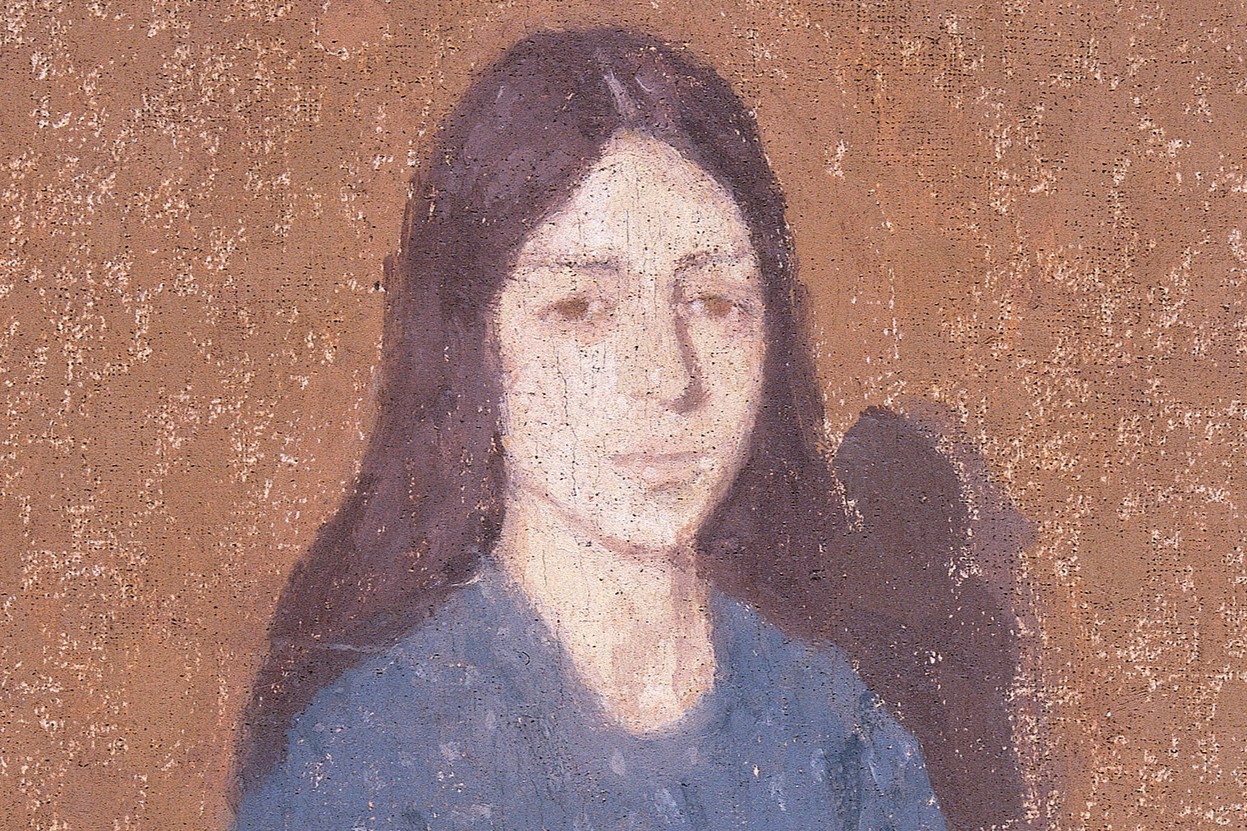
Gwen John’s major retrospective, Strange Beauties, is the first of it’s kind in over 40 years. The exhibition fills Modern Two at National Galleries of Scotland. Paintings, rarely seen drawings, watercolours, sketches, and notes on her working process are on show. This is a fascinating insight in to her artistic vision and working methods.
John is one of Wales’ most prominent artists. She was born in 1876 in Haverfordwest, Pembrokeshire and studied at the Slade School of Art in London. A trailblazer and one of the first women of her generation to receive a formal education, she later asserted her independence by removing herself from a stuffy Victorian setting, making Paris her home and having an intense decade-long love affair with the French sculptor Auguste Rodin.
Her works are a sophisticated and mesmerising meditation on the inner-world of solitary female figures. John’s repeated, painterly iterations strive to get to the core of her subjects, in the same way that Monet returned again and again to study the light falling on his haystacks or to paint Rouen Cathedral at all times of the day, over and over again. Her dedication to capturing the psychodramas of the female experience at rest is hypnotic and you can only admire her ability to get to the essence of her subjects. The sparseness of the environments in John’s works makes us focus more intensely on the experiences of the lone female sitter. This in turn invites us to reflect on our own inner worlds. The female episodes that she captures are universal and timeless themes: spirituality, pain, illness, convalesce and moments of quiet reflectiveness. All of which continue to be relatable to a contemporary audience.
Although John was, at her core, interested in stripping back her subjects to their essence, making the atmospheres of her paintings appear minimalist and at times cold, she was also deeply spiritual. On moving to Paris she converted to Catholicism. The drawings on show of nuns lying on their death beds are particularly moving and a testament to the trust that was placed on her by the nuns and the Church who knew her well. Joan seems to be saying that the solitary life has its own unique beauty, from beginning to end. This is also captured in the independent nature of her beloved cats that she paints so tenderly.
This is a rare opportunity to see a fresh perspective on John’s work, marking 150 years since her birth. Her artistic legacy reframes her as a forerunner of modernist painting.
Strange Beauties is at National Galleries of Scotland: Modern Two until Mon 4 Jan 2027

Comments