
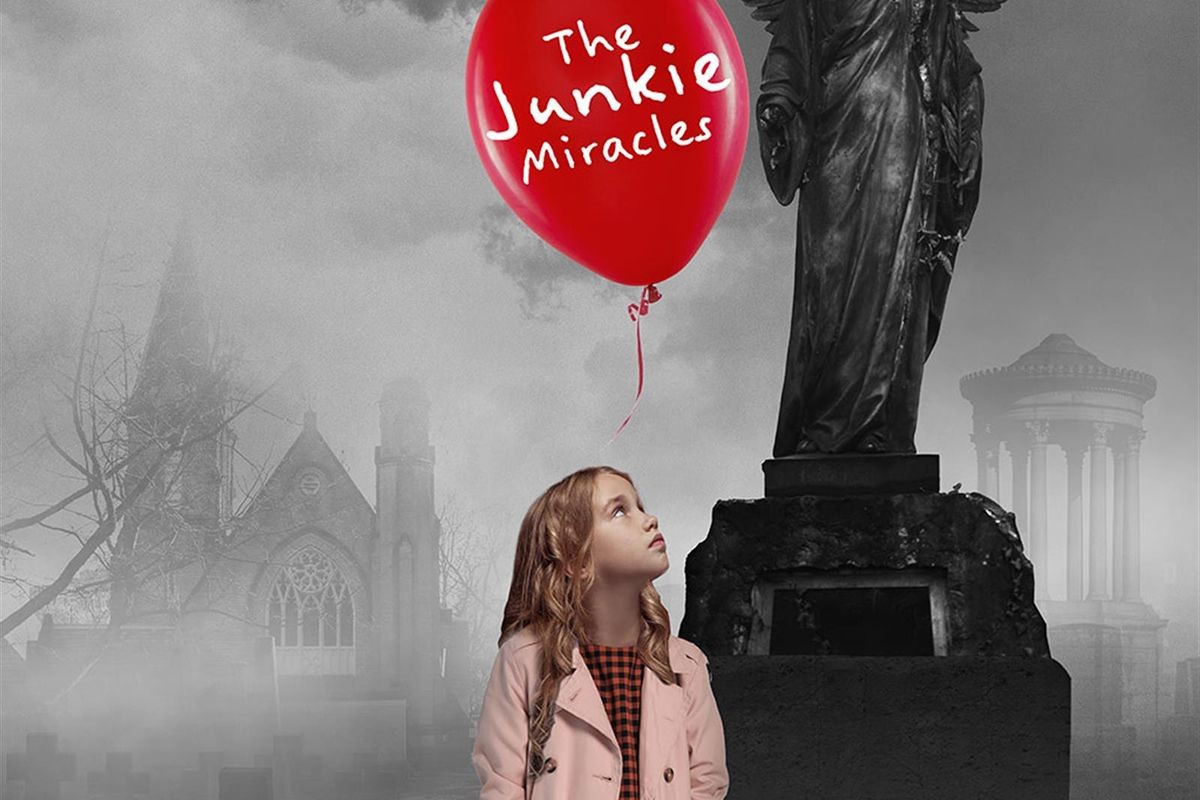
The Junkie Miracles is a play from the heart. And probably from local writer Des Dillon’s bones, body, and soul too. It follows the fortunes of a disparate group of people struggling with addiction. Principally drug addiction, though alcohol’s tangled up with the pills and the powder for some.
‘Junkie‘ is a horrible term and might lead you to expect an Irvine Welsh Trainspotting-style story. But the characters in this play are ordinary people – taxi drivers, sales reps – holding down ordinary jobs, leading ordinary lives, just like you and I. They just need a wee bit of a bump to make things more manageable. They’re married, they have kids, they have mums and dads. They’re surrounded by people who love them. But these actors depict, with absolute conviction, the excruciating tension between their need to be part of a loving family – and their need for their drug of choice.
Dillon interviewed people with lived experience and used their stories to create this play and you can tell. It’s not verbatim theatre but the dialogue fizzes with unflinching insight (various scenes involve substance use), heart-wrenching vulnerability, and seeping guilt. The titular miracles are funny, messy, silly, serendipitous. Only a bold soul would say that recovery is easy but the play’s message is clear: it’s possible.
This is a touring production and the cast might benefit from a bit more time to acclimatise to this giant stage. The soundtrack, all pop anthems and club classics, might benefit from a bit more blending. But the rave-scene-worthy lighting was vibrant and kept pace with the action. The script’s a series of short scenes, intersecting the stories across the two act play. With four largely unconnected stories, characters, and their respective families depicted on stage by six actors, it’s sometimes tricky to work out who’s who but the actors do their best to differentiate with costume and body language.
Stuart Falconer’s direction could’ve done with a bit more pace to knit the stories together but the acting was accomplished and sincere. Stephen Andrew-Grant brings an endearing sheepishness to his tale of transformation from a well-paid, happily married man to someone stealing from family and friends in his quest for escape. And Samantha Dodds is a brilliant Chelsea, almost at peace when she’s sleeping by her angel but only really hitting rock-bottom when she finds herself living alone in her hard-won flat.
Actor, producer, and director Falconer has made a point of providing a ticket discount code for support service workers and ‘recovering souls’ in a brilliant example of putting the play’s point into practice. All royalties from the production are being donated to Ayrshire’s Riverside Community Trust. The final moments of the play are pure theatre. Golden light, a song like a sunrise and the five strong cast line up and raise their arms in a salute to the end of another day that they have survived sober. It’s powerful stuff, justly reflected in the volume of audience applause.

Comments