
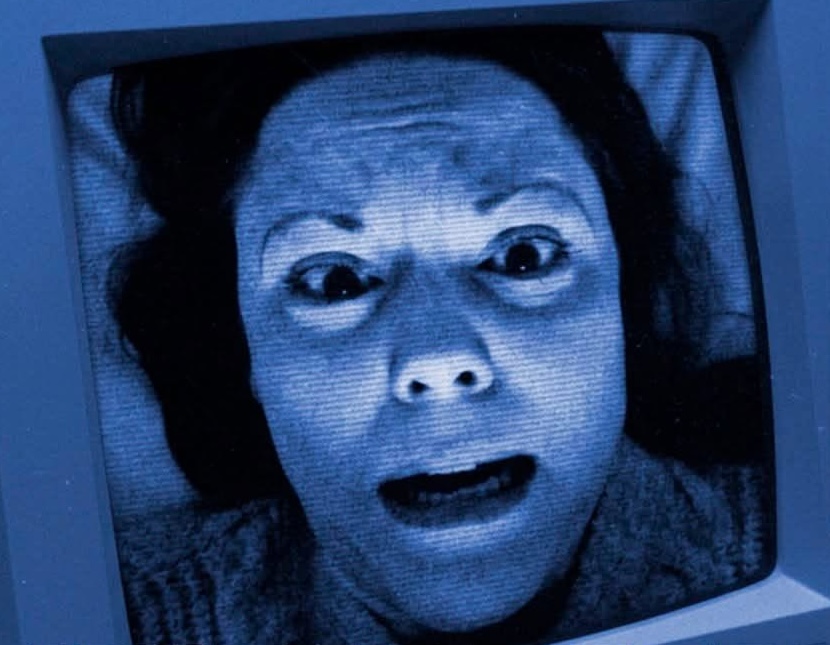
In 1968, a housewife called Emma Smith travelled to Skegness, lay down in an oversized “coffin”, and waited for a JCB to pile six feet of earth on top. She finally emerged into brief local stardom 101 days later; to put that into perspective, if you copied her right now it would be December before you next saw daylight. Three months away from the sun, from her home, from her children. Why would anyone ever do this? You’ll understand by the end of this gentle, thoughtful one-woman play.
Though actor Anne Padget is admirably committed to the idea she’s in a box – she gestures for emphasis, but her elbows stay pinned firmly by her sides – the staging doesn’t lean into the horror, and it’s hard to get a sense of how claustrophobic those 101 days must have been. But we do come to understand the rigid confines of her ordinary life, the one she’s paradoxically escaping through entombment. The sixties didn’t swing for everyone, she reminds us, and she feels painfully unseen as a middle-aged housewife from an unfashionable mining town. This is her chance to achieve something: something that’s uniquely, unambiguously hers.
Clara-Nel Haddon’s script explores that theme sensitively and subtly, never over-elaborating but giving us enough detail to join the dots ourselves. Emma’s “coffin” has a few mod cons – a TV for watching Z-Cars, a radio tuned to Radio Caroline – which offer nostalgic reference points to anchor the story in time. But it’s when we go further back, to Emma’s ordinary but difficult younger life, that the themes of isolation, confinement, and the wet silent earth knit together with quiet eloquence.
Though Emma’s physically isolated, she isn’t exactly alone. The public can pay a shilling a time to talk to her through a speaking-tube, and it goes without saying that the public can be cruel. Padget movingly balances hurt at the insults – “why aren’t you looking after your children?” – with Emma’s quiet certainty that her course is the right one, even as a hint of desperation begins to creep into her daily updates. And Emma’s religious belief is also well portrayed; she wears a smile approaching ecstasy as she considers past martyrs’ fates.
There are no specific villains in this story: even those unpleasant passers-by are just the noises off. But I’m left with a touch of sadness that an intelligent and forward-looking woman – she quotes Virginia Woolf and DH Lawrence among her influences – might need to disappear in order to make her mark. The real Emma Smith died in 1996, so whether she would agree with that analysis, nobody now can say. But Haddon and Padget build a convincing case… and here we are, 60 years on, still invoking her name.

Comments