
This bluntly provocative piece of docufiction from Tunisian filmmaker Kaouther Ben Hania is a difficult watch. This is not just because of its harrowing subject matter, but in the method Ben Hania adopts to tell it. Revolving around the real voice recordings of a little girl caught up in the genocide in Gaza and the attempts of volunteers to reach her, it’s a horribly clammy, authentic, and powerful work, but raises serious ethical concerns over its use of the dead girl whose pleas haunt the screen.
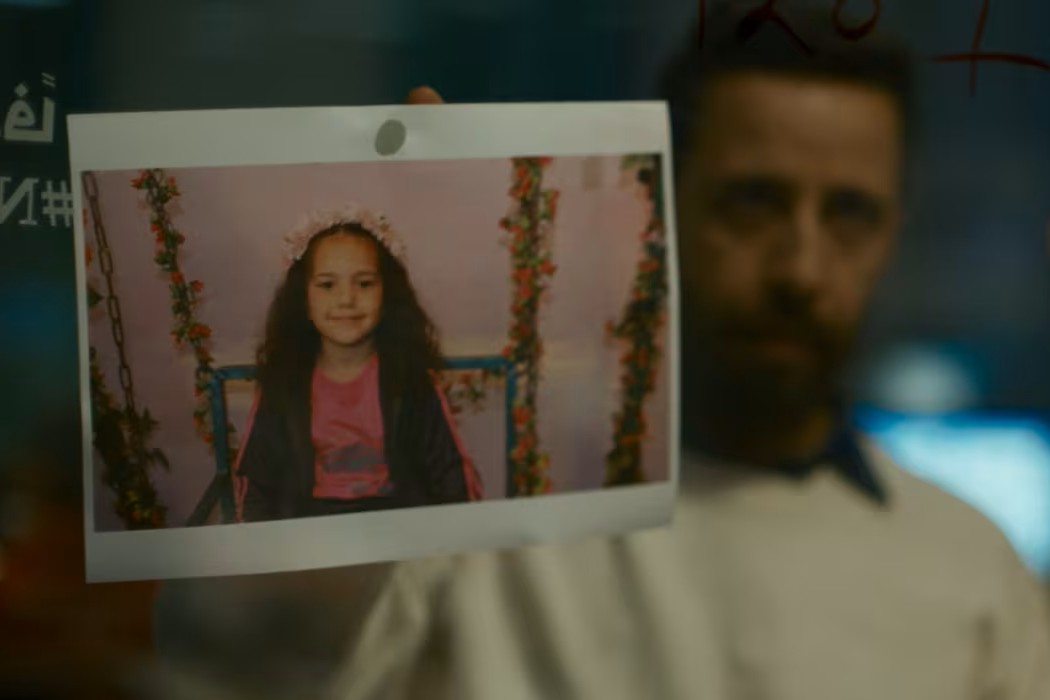
On 29th January 2024, the Palestinian Red Crescent received a call from a car that had come under fire from Israeli forces in Northern Gaza. The caller, Layan Hamadeh, soon succumbed to wounds received in the intitial attack. This left five-year-old Hind Rajab as the terrified sole survivor, trapped with the corpses of six members of her family, and begging for help. The film follows the purgatorial efforts of the small group of volunteers at the Red Crescent as they tried to reassure the terrified girl while coordinating a safe route for their one remaining ambulance in the area to carry out a rescue.
The Voice of Hind Rajab is undoubtedly an urgent and furious piece of work, and Ben Hania has painstakingly recreated the Red Crescent office in Ramallah and the group of four volunteers trying to coordinate the rescue. Hotheaded Omar (Motaz Malhees) takes the original call from Layan and refuses to accept the labyrinthine lengths of red tape required to arrange safe passage. Omar’s supervisor, the compassionate Rana (Saja Kilani) becomes increasingly distraught as she attempts to console and reassure Hind. Weary pragmatist Mahdi (Amer Hlehel) finds himself caught between the rock of his increasingly demanding staff, and the hard place of the bureaucracy he has to navigate, which includes the necessary cooperation of the very forces that peppered the Hamadeh’s car with 355 bullets.
Ben Hania’s filmmaking is utilitarian, adopting the expected handheld camera that frequently judders and refocusses in real time. Hind’s disembodied voice is visualised through a spectrogram embossed with the filenames, a simple and effective but uncomfortably eerie device that adds to the haunted feel of the entire piece, and brings to mind the classic TV play The Stone Tape.
That echo of previous work is part of the ethical problem. As The Voice of Hind Rajab takes the form of a claustrophobic chamber piece driven by increasingly urgent phone conversations, it becomes unavoidably driven by the genre beats of other thrillers that have a similar narrative, such as The Guilty and Harrow Road. This is what any film that deals with terrible real events has to reckon with, be it Nuremberg, Schindler’s List, Hotel Rwanda, or a million others; the deaths of real people potentially reduced to entertainment. Muddy those waters with the real voice of a little girl living her final hours in sheer terror and anyone would be justified in finding Ben Hania’s approach as unconscionable. Not only that, but occasionally the faces and voices of the real volunteers are overlaid through mobile devices. Highlighting the artifice in a film so audaciously using its genuine archival sources is bafflingly counter-intuitive.
Problematic filmmaking choices aside, it’s not just the use of little Hind’s voice that makes Kaouther Ben Hania’s film feel such an impassioned, harried, and immediate work, but the brief period of time that has elapsed since the events took place. Whatever anyone’s beliefs regarding the conflict, it’s still a raw, fresh situation that is likely to throw up any amount of flashpoints given the precariousness of the ceasefire. There isn’t the comfort of watching it in the rear view mirror. If you’re being cynical, it’s likely inevitable that The Voice of Hind Rajab will pass into history as another impassioned cause celebre championed by politically engaged but otherwise impotent viewers, but few feel like you’re being shaken quite so vigorously by the lapels as you watch.
In cinemas nationwide now

Comments